
Let’s start with the obvious question:
Why are we called Elephants In Rooms?
Everyone has them.
Families have them. Relationships have them. Therapy rooms have them. Teams have them. Organisations definitely have them.
The conversations that don’t happen. The questions nobody asks. The grief, shame, fear, uncertainty or awkwardness that everyone notices but nobody quite knows how to name.
Years ago, while facilitating online bereavement groups run by Cruse Bereavement Support (which is where our paths first crossed), we used to read Terry Kettering’s poem The Elephant in the Room. It had an extraordinary effect. Without fail, it gave people somewhere to begin. The elephant had been acknowledged, and suddenly everyone could stop pretending it wasn’t there.
We kept coming back to it.
Because it turns out elephants aren’t just about grief.
They’re everywhere. They’re the conversations we don’t have. The things people skirt around.
So when the time came to name what we were creating, the company name had to be Elephants In Rooms.
Our Origin Story
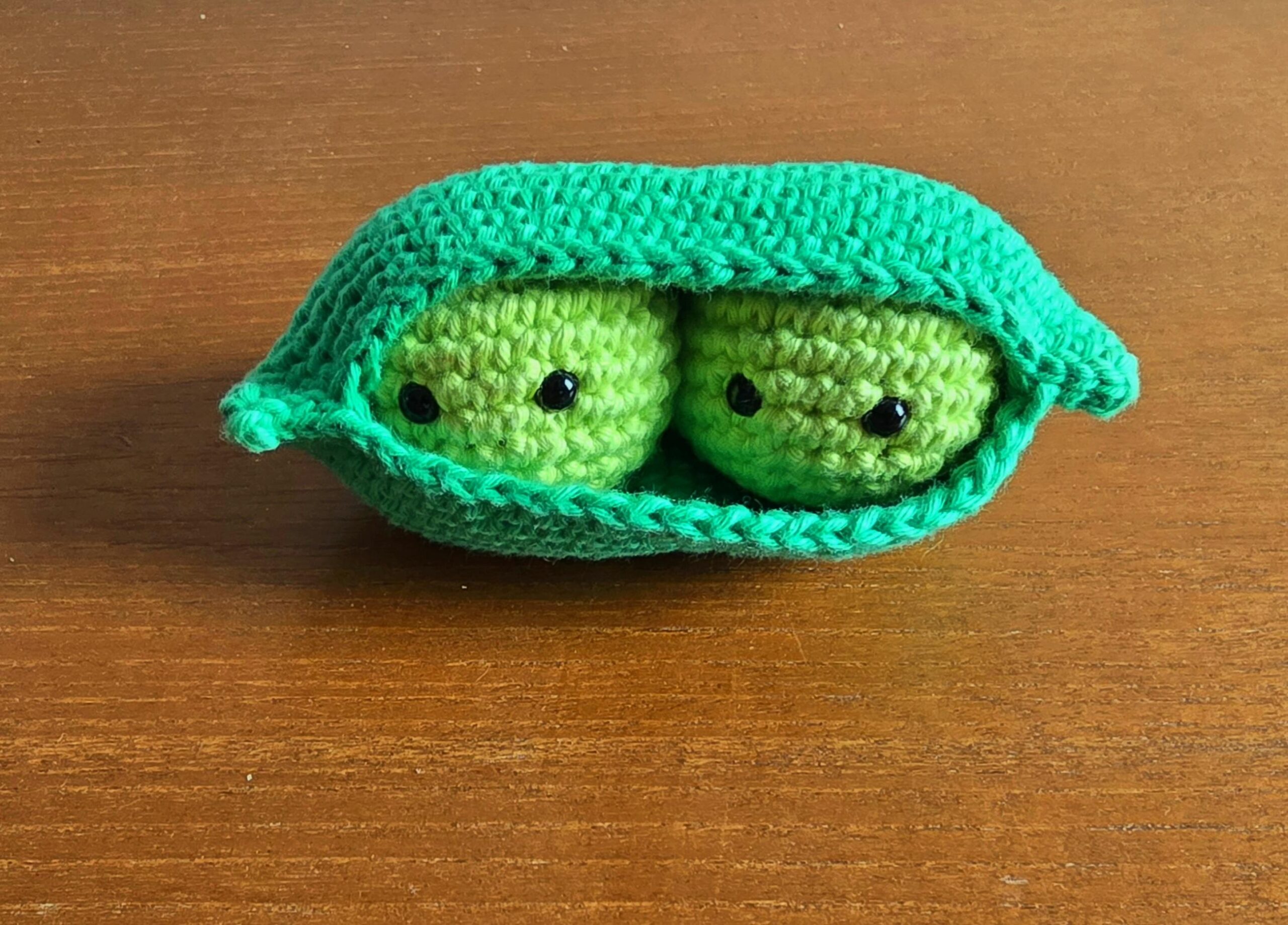
We met through Cruse Bereavement Support, where Martin trained volunteers; Trudie was one of them. We became friends over a shared love of podcasts, and the dawning realisation that we were, in many ways, two peas in a very curious pod. The kind of people who can’t help asking questions that don’t have tidy answers, and who notice gaps that other people seem comfortable ignoring. One of those gaps was in how grief was being taught and talked about. So we started creating and delivering training together, through Elephants In Rooms.
At the same time, both of us were training as therapists. We’ve always been interested in the same thing: helping people have conversations that matter. But how we get there, that’s where it gets interesting, because we come at things from two different directions.
Trudie is an integrative therapist, which means she draws on ideas from different therapeutic approaches rather than working from one fixed model.
Her work is focused, structured and straight to the point. She helps people understand themselves and their world better, notice the patterns they keep getting caught in, the beliefs and expectations sitting underneath them, and the things they do that make sense in the short term but may be keeping them stuck.
Trudie draws on many different therapeutic approaches, weaving them together to give you useful tools that you can actually work with in the real world.
Her ADHD brain moves fast, makes unexpected connections and notices things that aren’t immediately obvious. In a therapy session, that’s pretty helpful. She’ll often arrive somewhere useful by a route that wasn’t obvious at the start. Just don’t ask her to remember the name of that thing. You know. The thing.
She’s warm, direct and very human. She’ll gently but firmly name what she sees, and she’s not particularly interested in sitting silently while you spend an hour carefully avoiding the elephant that followed you into the room.
She also starts from the belief that you already have more to work with than you think. Therapy isn’t about turning you into a shinier, more acceptable version of yourself. It’s about understanding yourself better, noticing where you keep getting stuck, and having more choice about what you do next.


Martin mainly works with REBT, a structured, cognitive-behavioural approach, that’s particularly good at helping people unpick the beliefs and thought patterns that are getting in the way.
If you come to him with a specific goal, something you want to think differently about or change, he’ll draw on REBT. But he also integrates other approaches where necessary, such as his clinical hypnotherapy training.
Martin identifies as autistic, which shapes how he navigates the world and how he approaches work with clients. He has a curious mind that doesn’t really know when to stop, he likes structure and clear plans, which is why REBT appeals to him. Within that structure, though, there’s a lot of room to be genuinely curious about the person in front of him. In a therapy room, this way of thinking brings structure and curiosity together, like a planned route that can still take a detour when it needs to.